





Innovation

CCC Startups

Driven by the increase in complexity of construction projects and challenging market conditions, the construction sector is at the cusp of a new, dynamic age of engaging technological construction solutions. This new era will ultimately result in cost reductions, improved safety measures, time optimisation, and enhanced quality standards.

CCC Startups CCC | Image

The Four Phases of the Industrial Revolution

We have frequently heard the term “Fourth Industrial Revolution” in the past few years. Below is the historical timeline for each Industrial revolution phase.

First Industrial Revolution

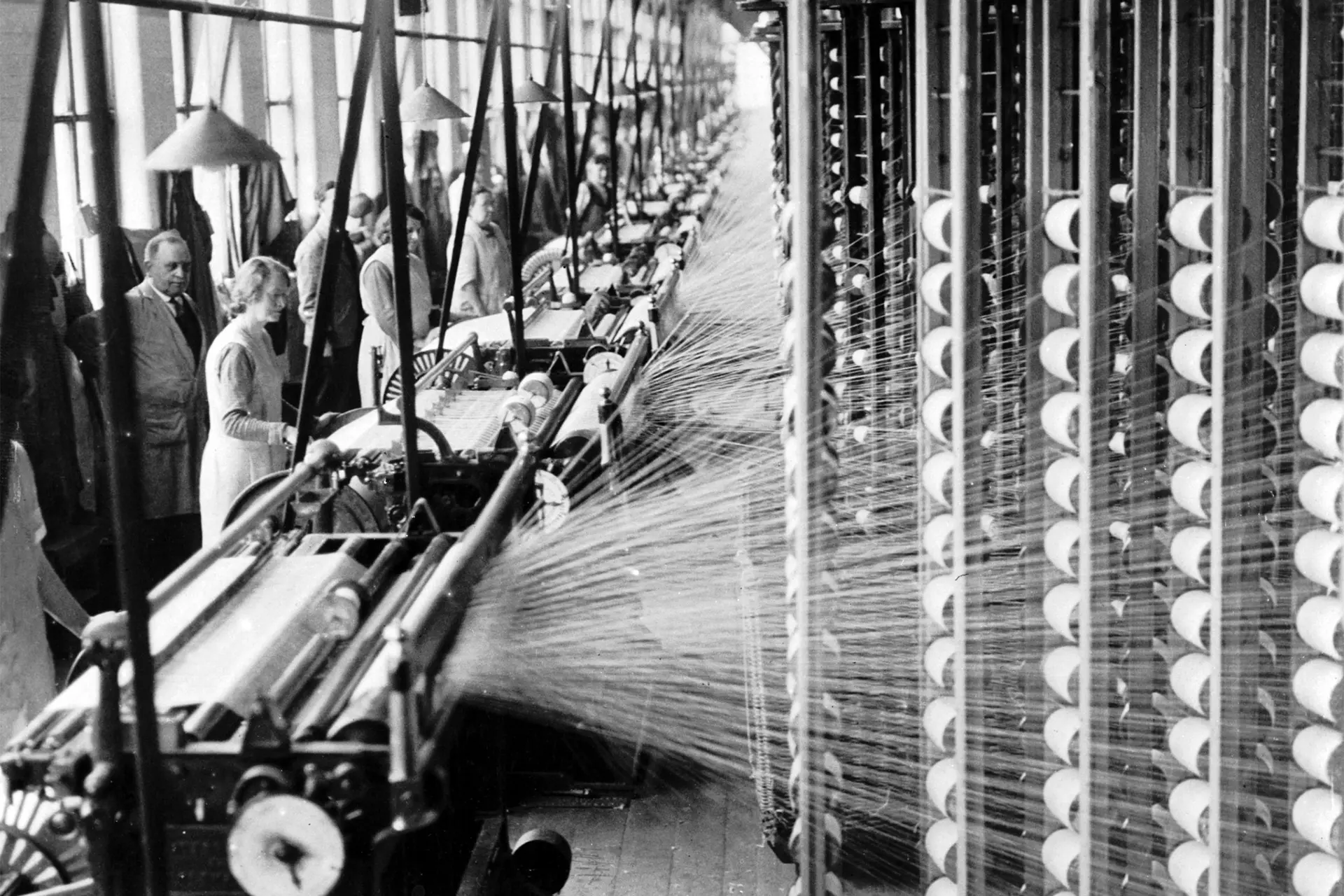
From the end of the 18th century to the beginning of the 19th century, a transition from handheld production methods to machine-based production powered by steam and water took place. The impact was clear in industries such as textile manufacturing, iron production, agriculture, and mining.

Second Industrial Revolution

Technological advancements combined with a new energy source, such as oil, led to the creation of the internal combustion engine at the end of the 19th century. Accordingly, the faster transfer of people resulted from the installation of extensive railroad networks and, later, the invention of the automobile and the airplane. In comparison, the faster transfer of ideas resulted from telegraph networks. All of this, combined with increasing electrification, allowed factories to develop the modern production line, resulting in mass production.

Third Industrial Revolution

In the second half of the late 20th century, with the advent of electronics, telecommunications, and computers, the Digital Revolution emerged. Besides the impact of automation on all fields, the creation of the internet and mass communication led to globalization.

Fourth Industrial Revolution

Building on the Third Industrial Revolution and combined with breakthroughs in emerging technologies such as robotics, artificial intelligence (AI), the Internet of Things (IoT), 3D printing, 5G, autonomous driving, and additive manufacturing, the Fourth Industrial Revolution emerged. This revolution represents a fundamental change in every aspect of our lives and the way we work. It is a turning point in humanity’s development, empowered by advancements that build upon what took place during the First, Second, and Third Industrial Revolutions.

Where Does Engineering & Construction Stand?

While the Engineering & Construction (E&C) industry benefited greatly from the first and second industrial revolutions, the question remains: how much has it transformed during the third, and where does it stand in the fourth?

Studies show that industries such as manufacturing have achieved significant productivity growth over the past 50 years, while construction has seen limited progress. As one of the least digitized industries, E&C appears to have missed much of the Digital Revolution’s transformation. To some extent, this is true.

The scene is different when it comes to the Fourth Industrial Revolution. In the last few years, we have seen much hype in ConTech.

ConTech is a phrase coined to identify advanced construction technology; it is the technology used to innovate the way to plan, design, and build structures and the manufacture and installation of their components. A wide range of technologies was used as enablers for ConTech, starting with 3D Printing, Drones, Robotics, AI, IoT, Additive Manufacturing, etc.

Coupling the fact that most of these technologies have been maturing lately (or at least evolving rapidly) with the boom in entrepreneurship and Startups ecosystem, we are currently witnessing 100s if not 1000s of Startups specializing in ConTech!

How should construction corporates react to this fact?

CCC believes that this is an opportunity for advancement toward sustainable, resilient, and affordable construction. Therefore, we should embrace this revolution and play an active role in this transition. For this purpose, “CCC Startup” was created.
Building Business through Innovation

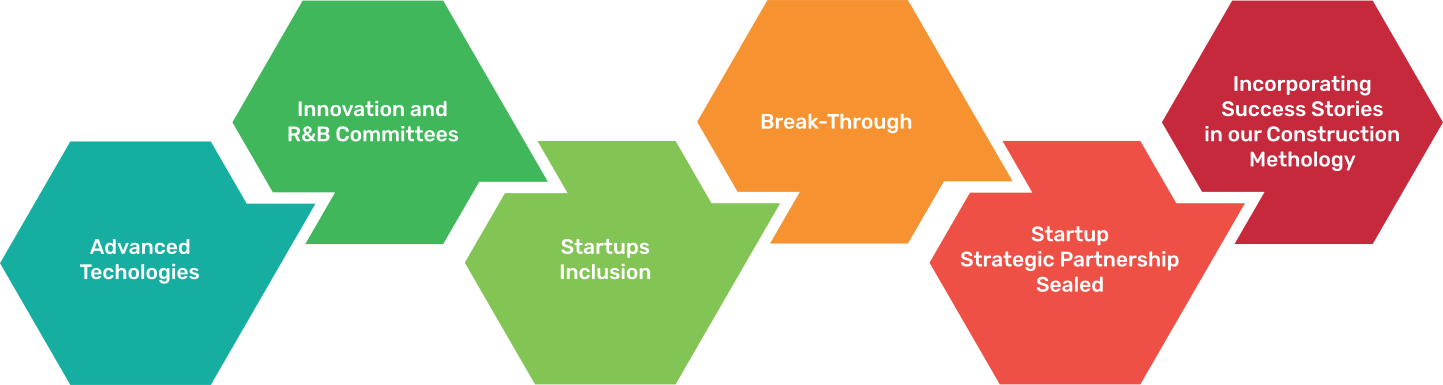
“CCC Startup” leverages CCC’s established presence, countless fields of operation, and cross-disciplined subject matter experts to develop a robust collaboration and cooperation framework between CCC and the Startups world.

This collaborative approach will allow the startups to pilot their new technologies in different locations and live environments on a large scale. After successful pilots, we develop strategic partnerships with startups at various life cycle stages, thus bridging the gaps by offering the domain and market knowledge needed. Most importantly, we are continuously sourcing innovation into CCC construction methods and daily operations with this approach. We documented good practices in CCC official guidelines and procedures in many cases.

Awards

At the MEED Project Awards, CCC won several awards in a ceremony held in Dubai on December 16th, 2020. The awards celebrated the GCC’s dynamic projects industry and recognised the best projects demonstrating excellence across architecture, construction, and engineering.

The 2020 edition of the awards received over 130 entries from leading organisations, project owners, contractors, and consultants. Other organisations from the UAE, Saudi Arabia, Kuwait, Bahrain, and Oman were commended for their achievements across 19 unique categories for delivering outstanding projects, reiterating the efforts that the entire GCC is taking to develop infrastructure that is strategically vital to the growth of the region.

CCC was named the winner of one GCC Award and three National Awards:

GCC Award

Innovation Medal 2020

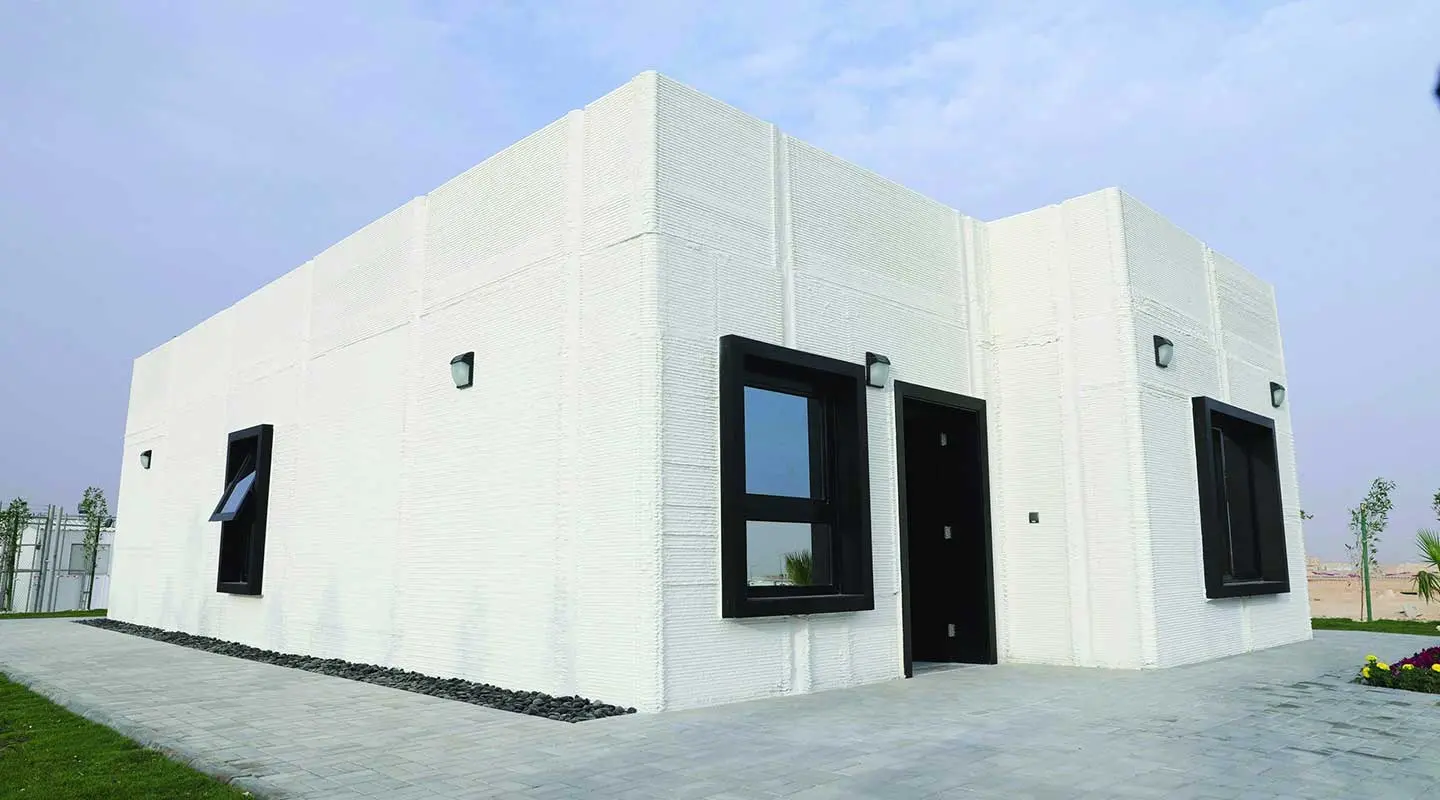
3D Printed Single Family House for the Saudi Arabian Ministry of Housing, Saudi Arabia

  • Innovation Medal, Saudi Arabia: 3D Printed Single Family House under the Building Technology Stimulus Initiative for the Saudi Arabian Ministry of Housing
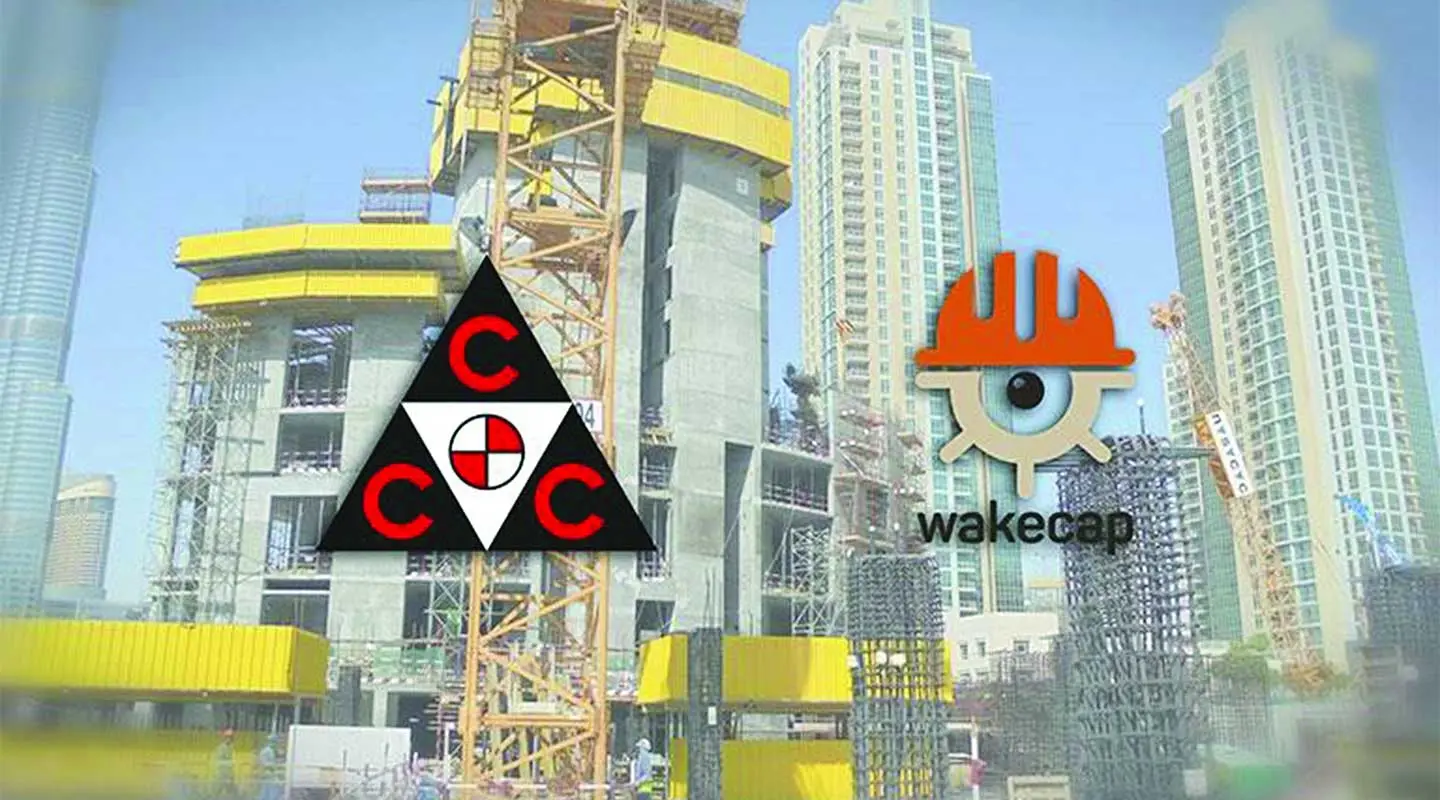
  • Innovation Medal, UAE: Empowering EMAAR’s Opera Grand Tower Project with Innovative IoT Technology to improve Safety and Productivity
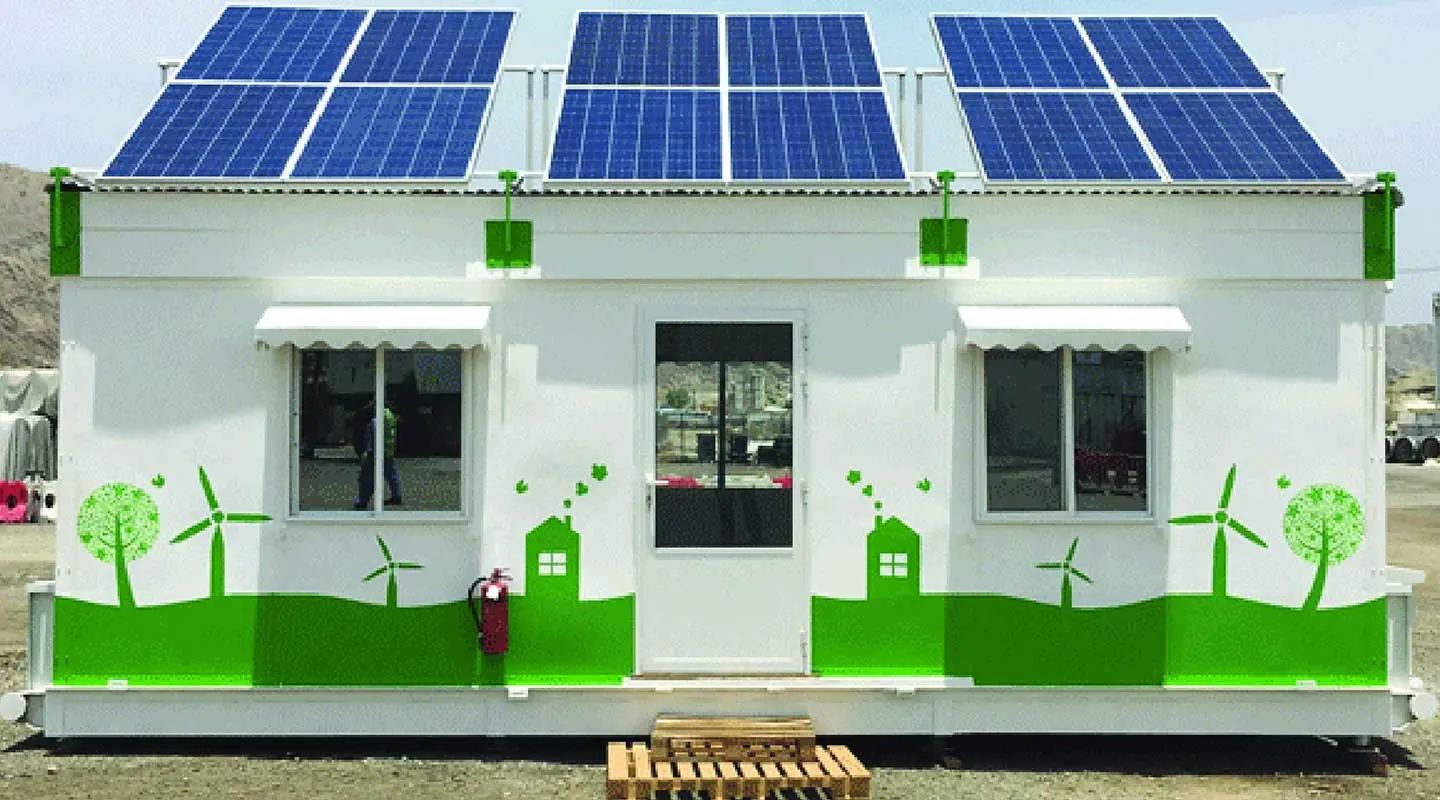
  • Sustainability Medal, UAE: Off-Grid Portable Cabin (Accommodation and Office Units).

It is worth mentioning that CCC has also won many awards in the innovations and startups field during the last few years.

  1. CCC won the IPLOCA New Technologies Award 2019 sponsored by BP for utilising the Internet of Things (IoT) to create a smart construction helmet that connects workers at construction sites using mesh networks to improve safety and productivity.
  2. CCC was the winner of the IPLOCA Environmental Award 2018 in recognition of realising significant achievements in minimising environmental impacts. Specifically, for developing the Off-Grid portable power cabin, a 100% solar-powered mobile cabin that can be used as part of site establishment activities to power communication and mobile equipment for offices and camps.

Success Stories

IoT Technology

IoT (Internet of Things) technologies are transforming industries by improving safety, efficiency, and operational performance.

  • WakeCap is part of CCC’s innovation strategy to digitize construction sites. The IoT-enabled device integrates seamlessly into workers’ hard hats, providing secure real-time location tracking without compromising helmet safety. Using a wireless mesh network and a centralized dashboard, WakeCap helps monitor workforce activity, enhance site safety, and integrate with existing project management systems.

Off-Grid Cabin

In close collaboration with German Technology Provider TESVOLT, the world’s first completely 100% 24-hour solar-powered portable cabin for the construction industry was engineered, installed, and commissioned at three different projects within CCC’s operation in the Gulf region. The solar-powered cabins with a battery storage system meet day and night energy demands, maintaining round-the-clock operation and room temperature of less than 25°C even during the hot summer months. Currently, CCC is replicating this successful project across extensive facilities worldwide.

3D Printed House

In collaboration with Netherland-based startup, Cybe, “CCC Startup” oversaw, executed, and completed a mainstream 3D Printed House Prototype – The world’s first realistic approach to the real-life mass production of 3D Printed Houses with MEP (Mechanical, Electrical, and Plumbing) integration while printing. The Prototype took 3D Printing from an “abstract future vision” to real-life implementation as a mainstream solution.

Additive Manufacturing

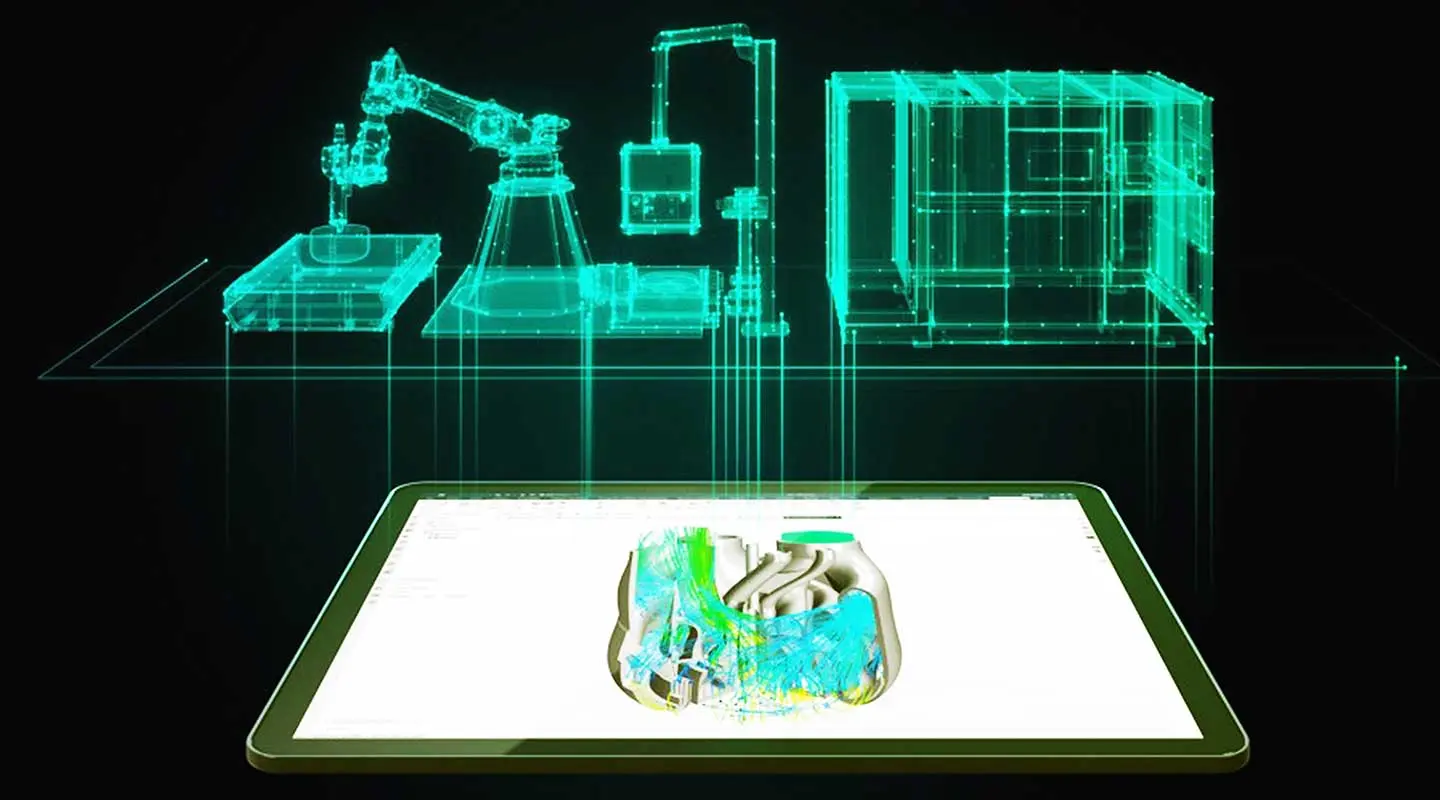
Additive Manufacturing (AM) is becoming increasingly important. It plays an increasingly important role in the manufacturing industry and mainly being used in toolmaking and prototype construction. Early applications suggest that the use of AM technologies for construction can decrease labor costs, reduce material waste, and create customized complex geometries that are difficult to achieve using conventional construction techniques.

Drones

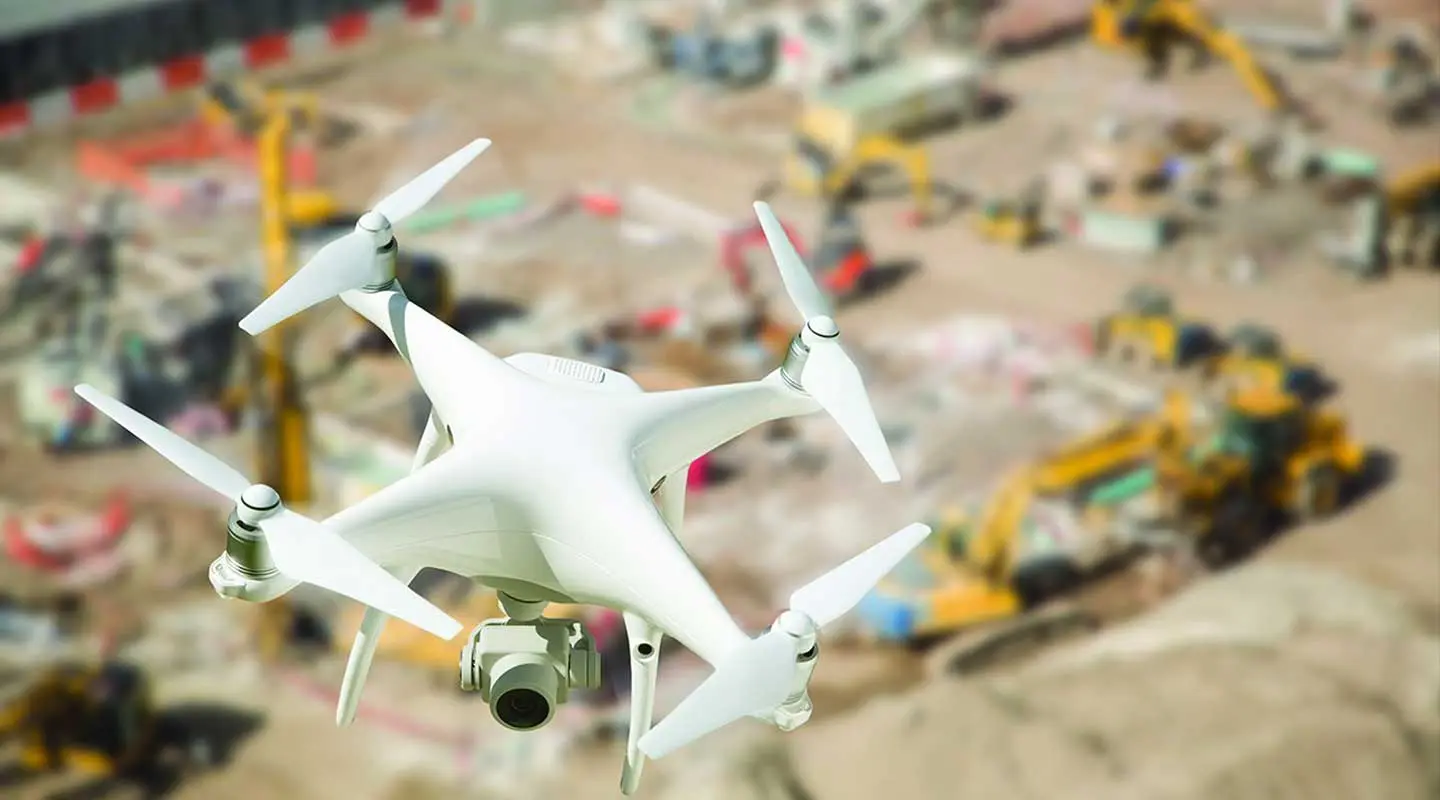
Drone technology is transforming the construction industry, creating new opportunities worth billions of dollars. CCC has been an early adopter, using drones through collaborations with innovative startups to enhance engineering, surveying, inspections, and project documentation.

Drones provide faster, more accurate data collection, improve progress monitoring through aerial imaging, reduce costs, and support future applications such as automated cargo delivery, increasing efficiency and safety across construction projects.

AI & Thermal Cameras

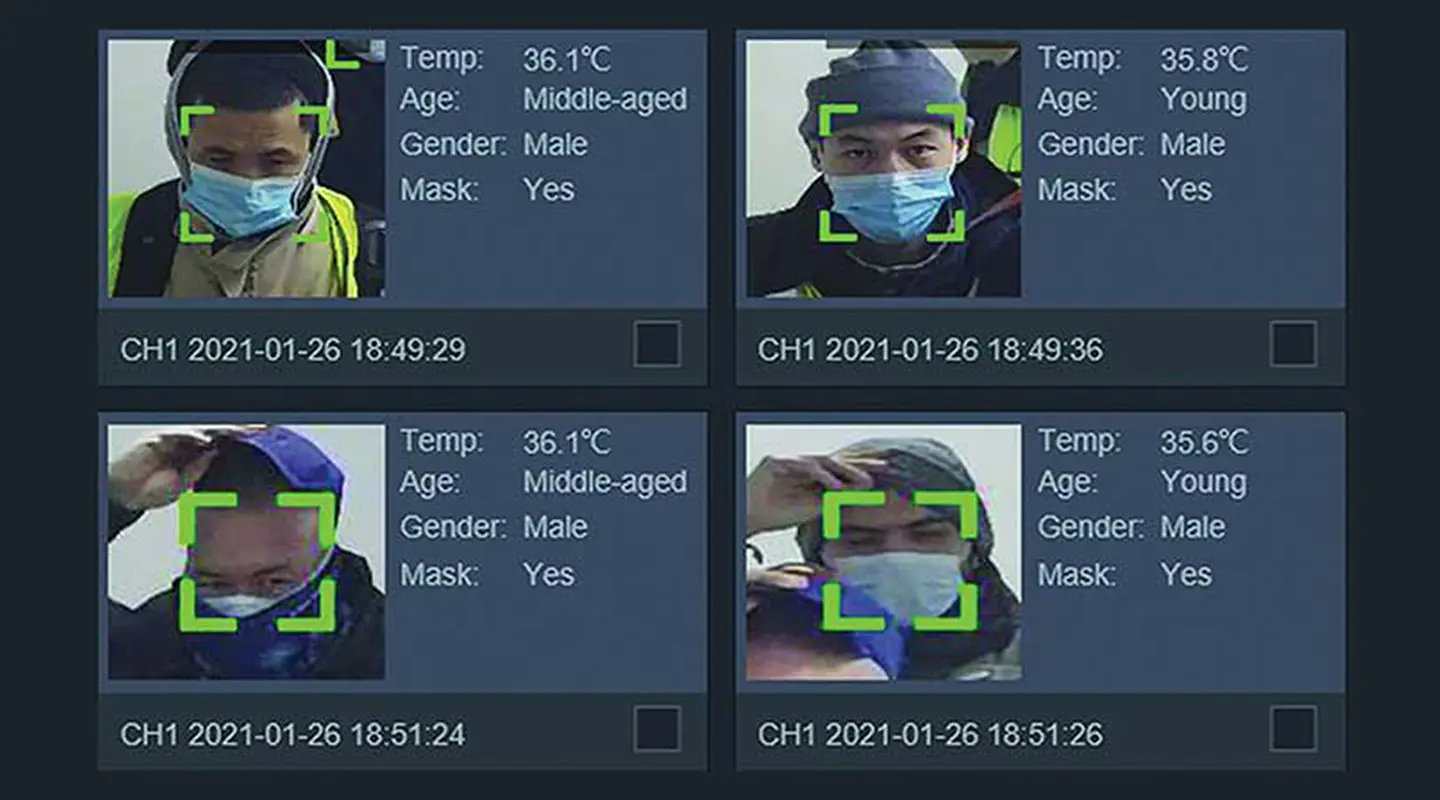
CCC has successfully implemented, commissioned, and tested the first Artificial Intelligence (AI) video analytics technology to fight the COVID-19 outbreak in camps. We leverage artificial intelligence technology functionalities to the next level. We facilitate and improve project controls such as facial recognition used for time attendance, automated headcount, security measures, and seize/contain the spread of COVID-19 outbreak in construction sites by monitoring employees’ temperature readings.

C.U.R.A.

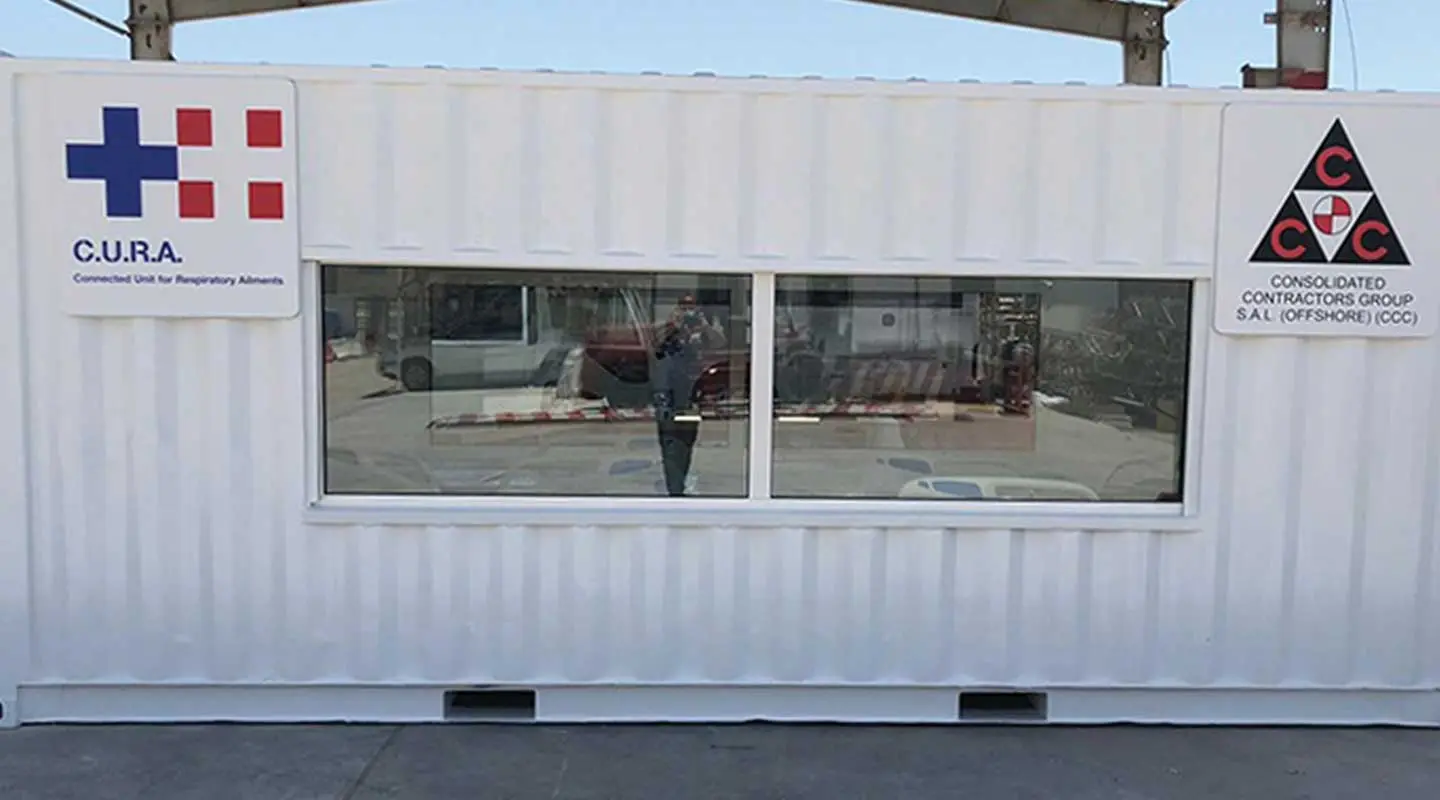
In collaboration with the open-source project C.U.R.A., CCC successfully converted a container into a portable Intensive Care Unit (I.C.U.) as part of its capacity-building efforts. C.U.R.A. proposes a quick-to-deploy solution to expand emergency facilities and ease the pressure on healthcare systems treating patients infected by the COVID-19 virus. C.U.R.A. aims to facilitate the work of medical staff in avoiding cross infection and hospital bottlenecks.

Through erecting C.U.R.A. containers, CCC aims to improve the efficiency of the existing design solutions of field hospitals, producing a compact I.C.U. Pod that is quick to deploy and safe to work in for medical professionals.

Tech-Driven Reforestation

CCC wants to participate in this initiative by promoting a new revolutionary Reforestation method by using Drones. For this reason, CCC is on the run to collaborate with startups that uses precision drone technology to replant seedpods into deforested areas worldwide.